How Smart Learning Tools Improve Preschool Education
Technology is transforming the way children learn, even at an early age. In modern preschool classrooms, smart learning tools are becoming an important part of the educational experience. These tools help teachers create interactive lessons that capture children’s attention and make learning more enjoyable.
Smart learning tools include interactive whiteboards, educational apps, digital storytelling platforms, and multimedia learning resources. When used effectively, these tools can significantly enhance the learning environment for preschool children.
Creating an Engaging Learning Environment
Young children are naturally attracted to colorful visuals, sounds, and movement. Smart learning tools use animations, images, and videos to make lessons more interesting and interactive.
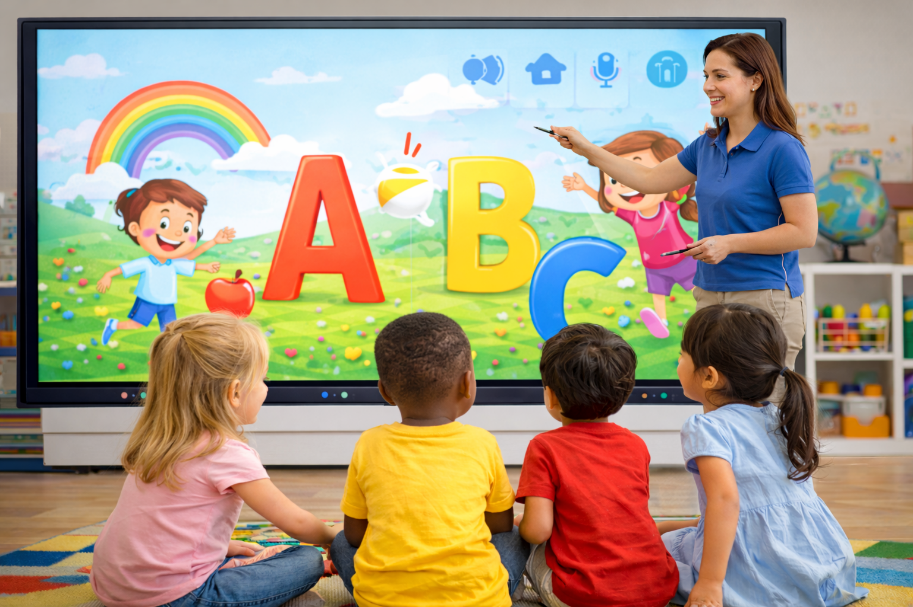
For example, interactive whiteboards allow teachers to display educational games, visual stories, and animated lessons. This helps children stay engaged and understand concepts more easily compared to traditional teaching methods.
Supporting Personalized Learning
Every child learns at a different pace. Some children understand concepts quickly, while others may need more time and practice.
Smart learning tools can help teachers provide personalized learning experiences. Many educational apps adapt to a child’s learning level and provide activities that match their ability. This ensures that each child receives the support they need to learn effectively.
Improving Language and Communication Skills
Digital storytelling tools and educational apps can greatly support language development in young children. Interactive stories, phonics games, and audio-based activities help children learn new words and improve pronunciation.
These tools encourage children to listen, speak, and interact with the content, which strengthens their communication skills.
Developing Problem-Solving Skills
Many smart learning platforms include puzzles, quizzes, and interactive games that encourage children to think critically. These activities help develop problem-solving abilities and logical thinking.
Children learn to experiment, make decisions, and explore different solutions while playing educational games.
Making Classroom Management Easier for Teachers
Smart learning tools also help teachers manage their classrooms more efficiently. Digital lesson plans, activity trackers, and progress monitoring systems allow teachers to organize lessons and track student development.
Teachers can easily identify areas where children may need additional support and adjust their teaching strategies accordingly.
Combining Technology with Traditional Learning
While technology provides many benefits, it should be used alongside traditional teaching methods. Activities such as storytelling, drawing, group discussions, and outdoor play remain essential for a child’s development.
A balanced approach that combines smart technology with hands-on learning activities creates the most effective learning environment for preschool children.
Conclusion
Smart learning tools are transforming preschool education by making learning more interactive, engaging, and personalized. These tools help improve language development, problem-solving skills, and early literacy while supporting teachers in delivering effective lessons.
When integrated responsibly with traditional teaching methods, smart learning tools can greatly enhance the overall quality of preschool education and prepare children for the future of learning.
